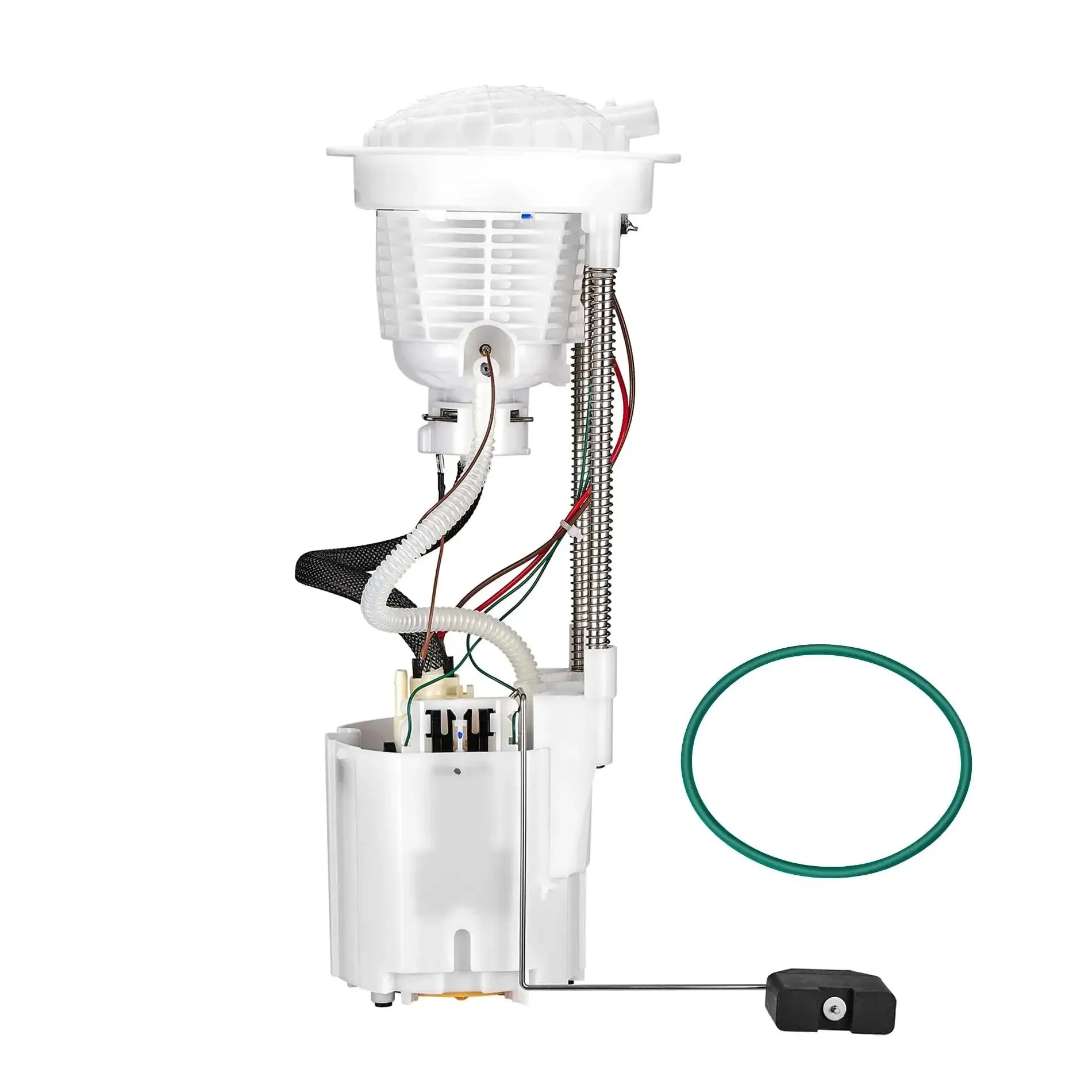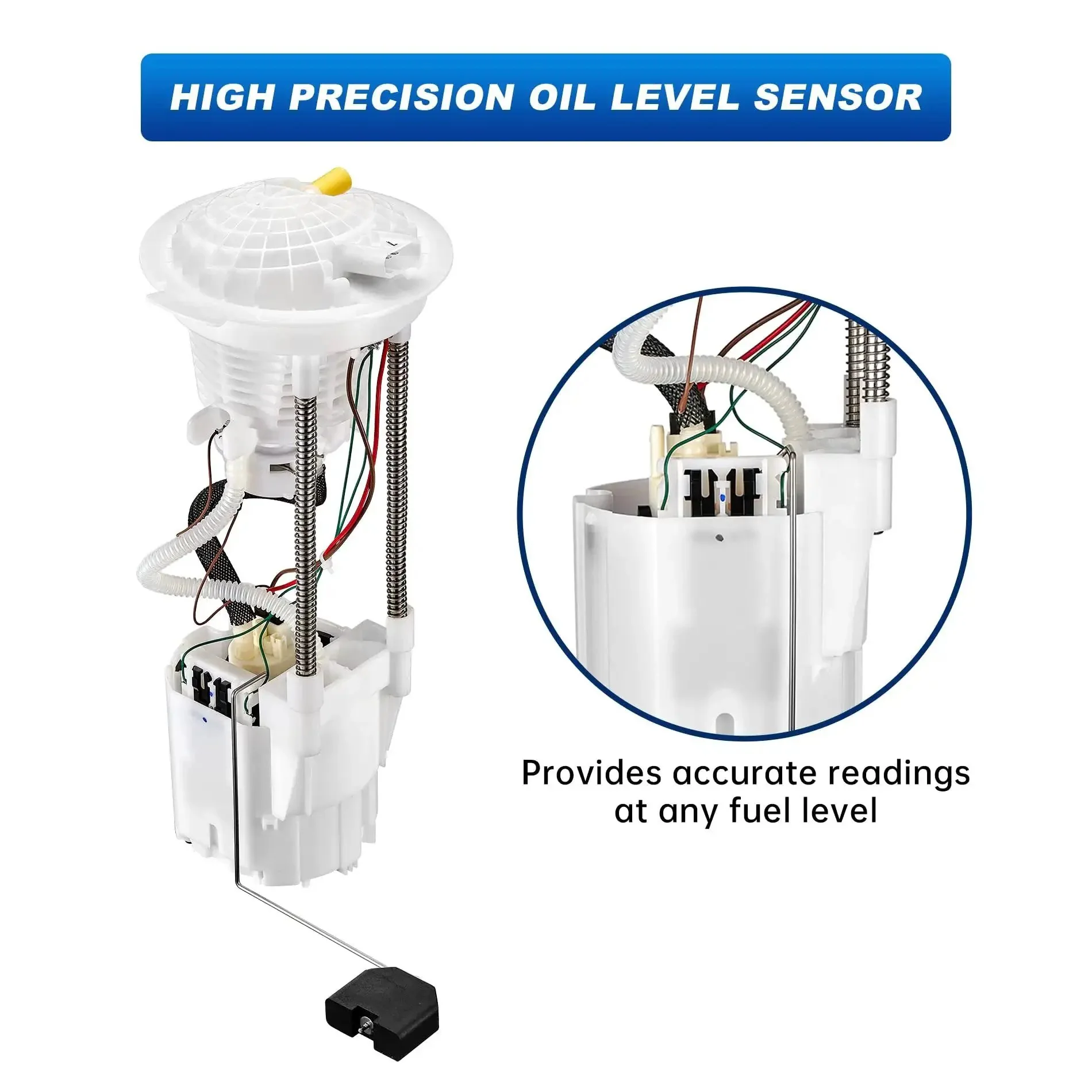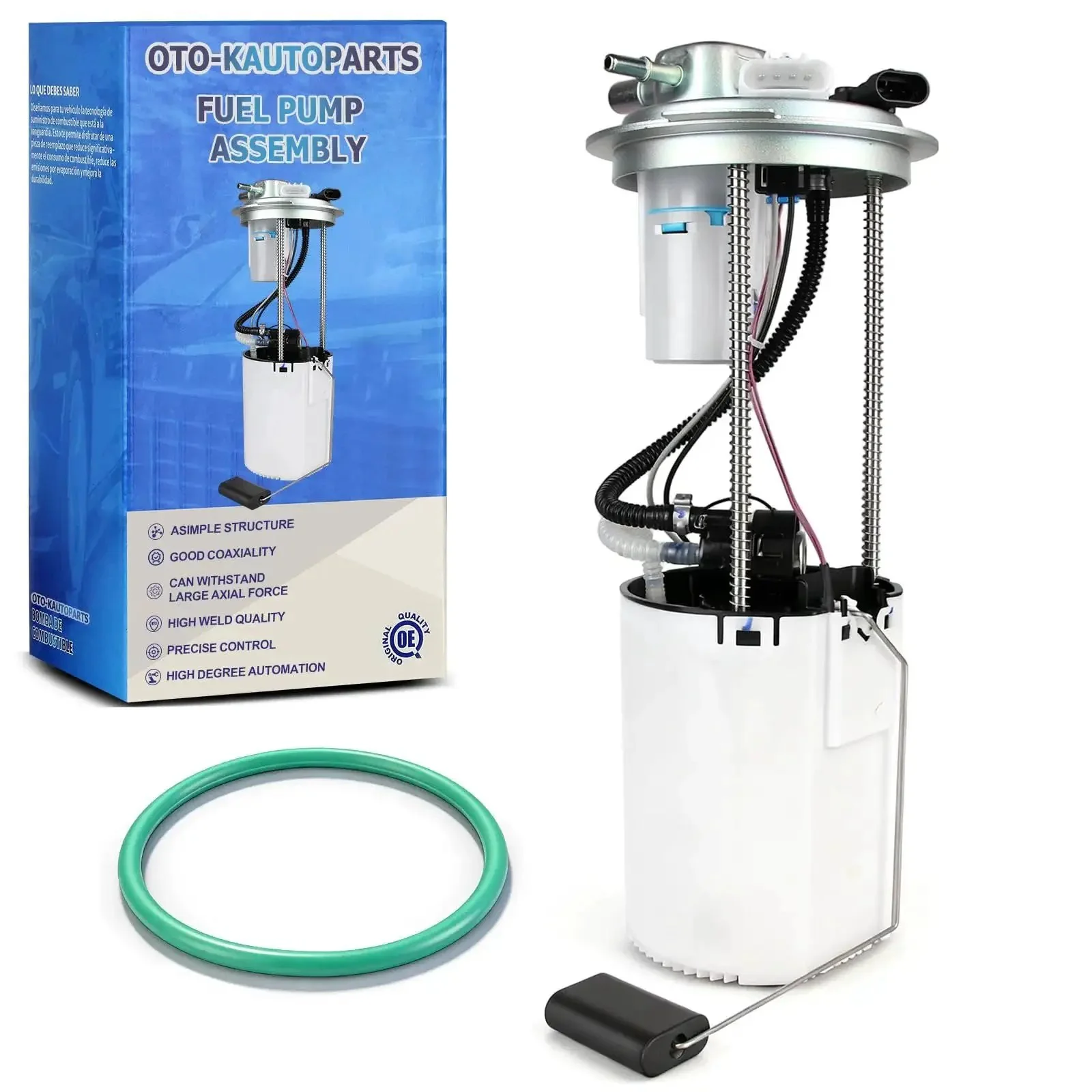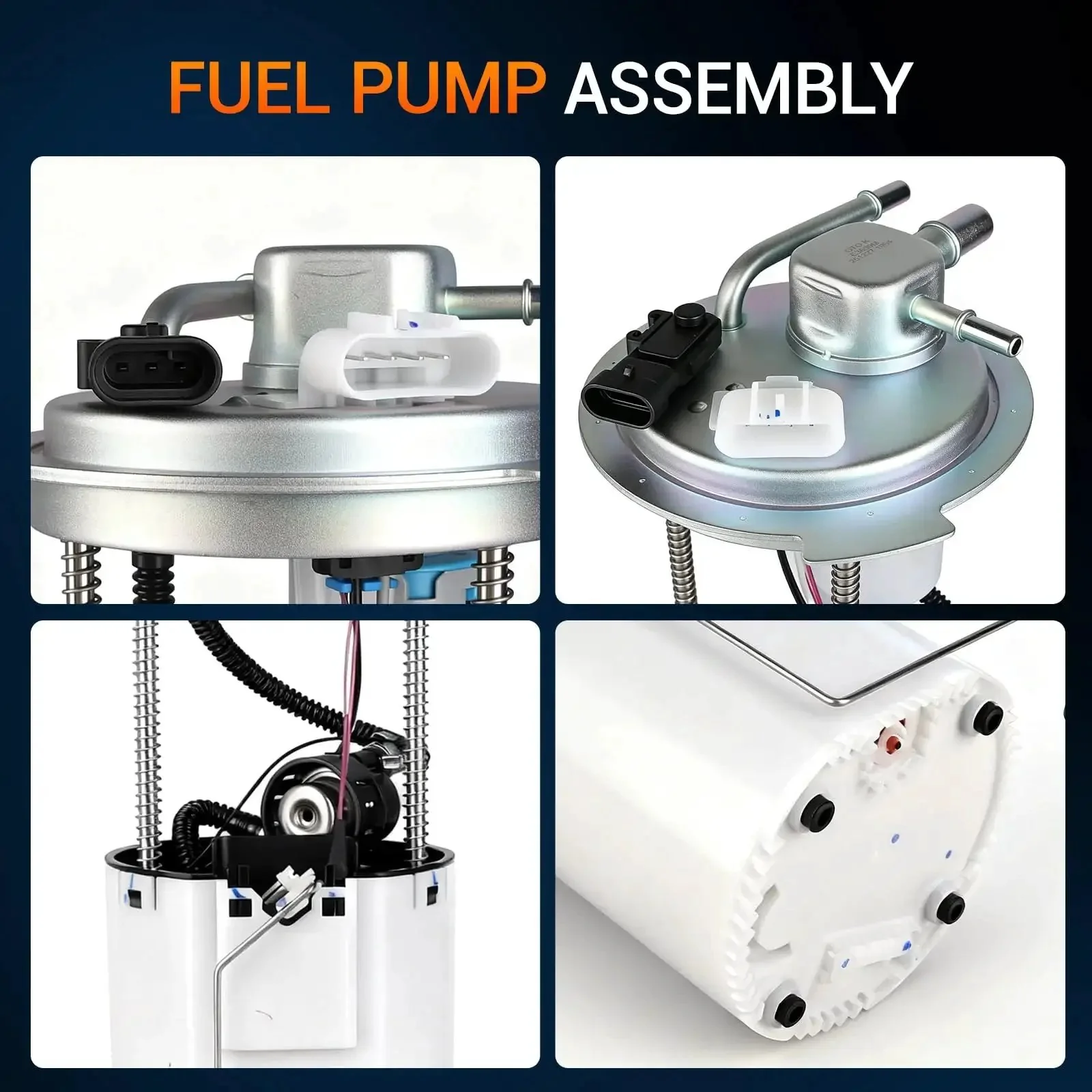



Hotend With 0.2mm Stainless Steel Nozzle For X1 Carbon And P1 Series 3D Printers Compatible With X1C P1S And P1P Models Precision Hot End For Pro Grade, Smooth, Reliable Prints
✔️ Single hotend kit compatible with X1 Carbon and P1 series
The hotend with a 0.2mm stainless steel nozzle is designed for X1 Carbon and P1 series printers, delivering precise extrusion for high-quality prints. This pro-grade upgrade ensures smooth, reliable results for hobbyists and professionals alike.
✅ Compatible with X1 Carbon and P1 series printers (X1C, P1S, P1P)
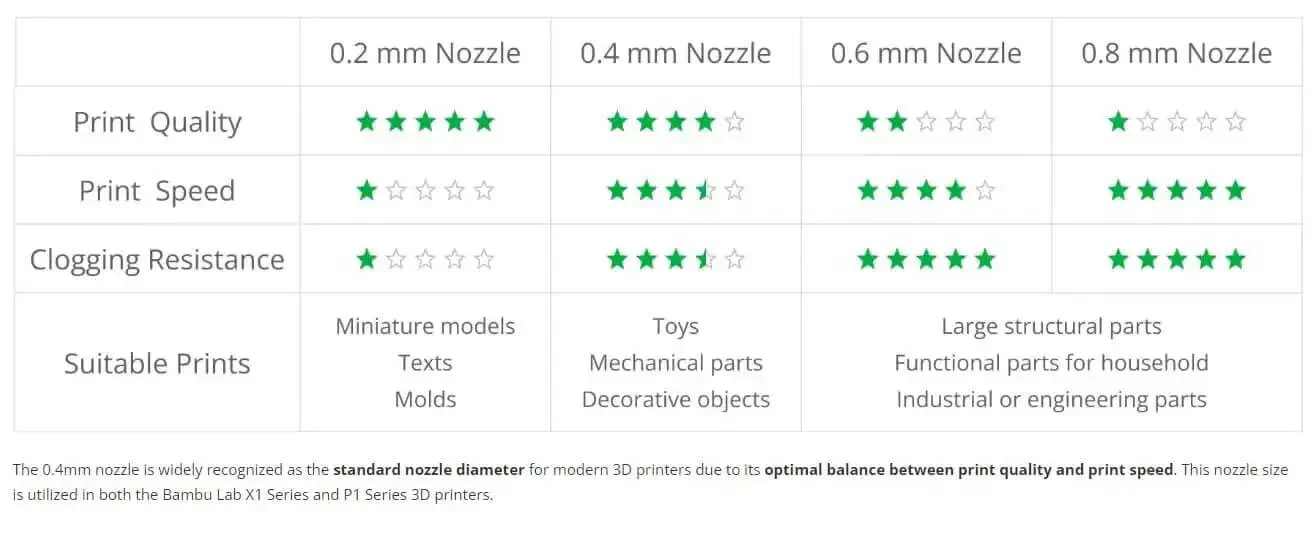
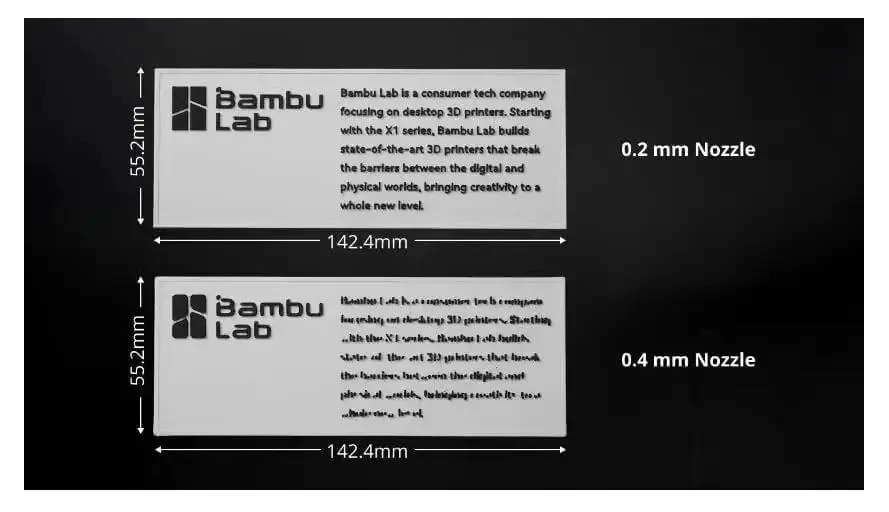
✅ 0.2mm stainless steel nozzle for fine-detail work
✅ Max printing temp 300°C
✅ Includes hotend, silicone sock, thermal grease, M3-14 screws
✅ Color: black
💡 What is a hotend used for in 3D printing with a 0.2mm stainless steel nozzle? It’s a handy component that melts filament and pushes it through the nozzle to form each layer. 1) It regulates extrusion temperature and flow for consistent results 2) It supports a range of filaments up to high temperatures 3) It makes upgrades and maintenance easier for reliability 4) It helps achieve smoother surfaces and tighter tolerances
Product Information
Product Information
Shipping & Returns
Shipping & Returns
Description
✔️ Single hotend kit compatible with X1 Carbon and P1 series
The hotend with a 0.2mm stainless steel nozzle is designed for X1 Carbon and P1 series printers, delivering precise extrusion for high-quality prints. This pro-grade upgrade ensures smooth, reliable results for hobbyists and professionals alike.
✅ Compatible with X1 Carbon and P1 series printers (X1C, P1S, P1P)
✅ 0.2mm stainless steel nozzle for fine-detail work
✅ Max printing temp 300°C
✅ Includes hotend, silicone sock, thermal grease, M3-14 screws
✅ Color: black
💡 What is a hotend used for in 3D printing with a 0.2mm stainless steel nozzle? It’s a handy component that melts filament and pushes it through the nozzle to form each layer. 1) It regulates extrusion temperature and flow for consistent results 2) It supports a range of filaments up to high temperatures 3) It makes upgrades and maintenance easier for reliability 4) It helps achieve smoother surfaces and tighter tolerances